
Bitcoin and financial inclusion
Research on how cash-based Bitcoin access reaches people outside the banking system, what it costs them and why they use it.
Millions of American households have no bank account, or rely on check cashers and money orders for everyday payments. For them, most ways of buying bitcoin are closed, because exchanges expect a linked bank account or card. Cash-based access, such as a Bitcoin ATM, is one of the few routes that stays open. Who those customers are, and what the service is worth to them, is a question best answered with data.
These articles look at who uses that access and why: the research methods used to measure it, how fees compare with the services unbanked households already pay for, how small, regular purchases compare with other everyday spending, how money is sent home across borders, and how cash access fits into the long history of banking machines.
10 articles on financial inclusion
-
 case study
Bitcoin ATM Scam Facts: Why Bans Hurt the People Who Need Them Most
The plain-language facts on Bitcoin ATM bans: they don't stop scams, the banks' own rails carry far more fraud, and bans cut the 24.6 million unbanked Americans — disproportionately Black, Hispanic, and Native families — off from one of the few ways they have to save. Stop the scam at the phone, not the people.
Read article -
 case study
Measuring Financial Inclusion: From Theory to Evidence
Using Bayesian Improved Surname Geocoding — the CFPB's own fair-lending method — we estimate the demographic composition of a national Bitcoin ATM customer base. The result: Black Americans, the largest unbanked population in the U.S., are represented at nearly twice their national share.
Read article -
 case study
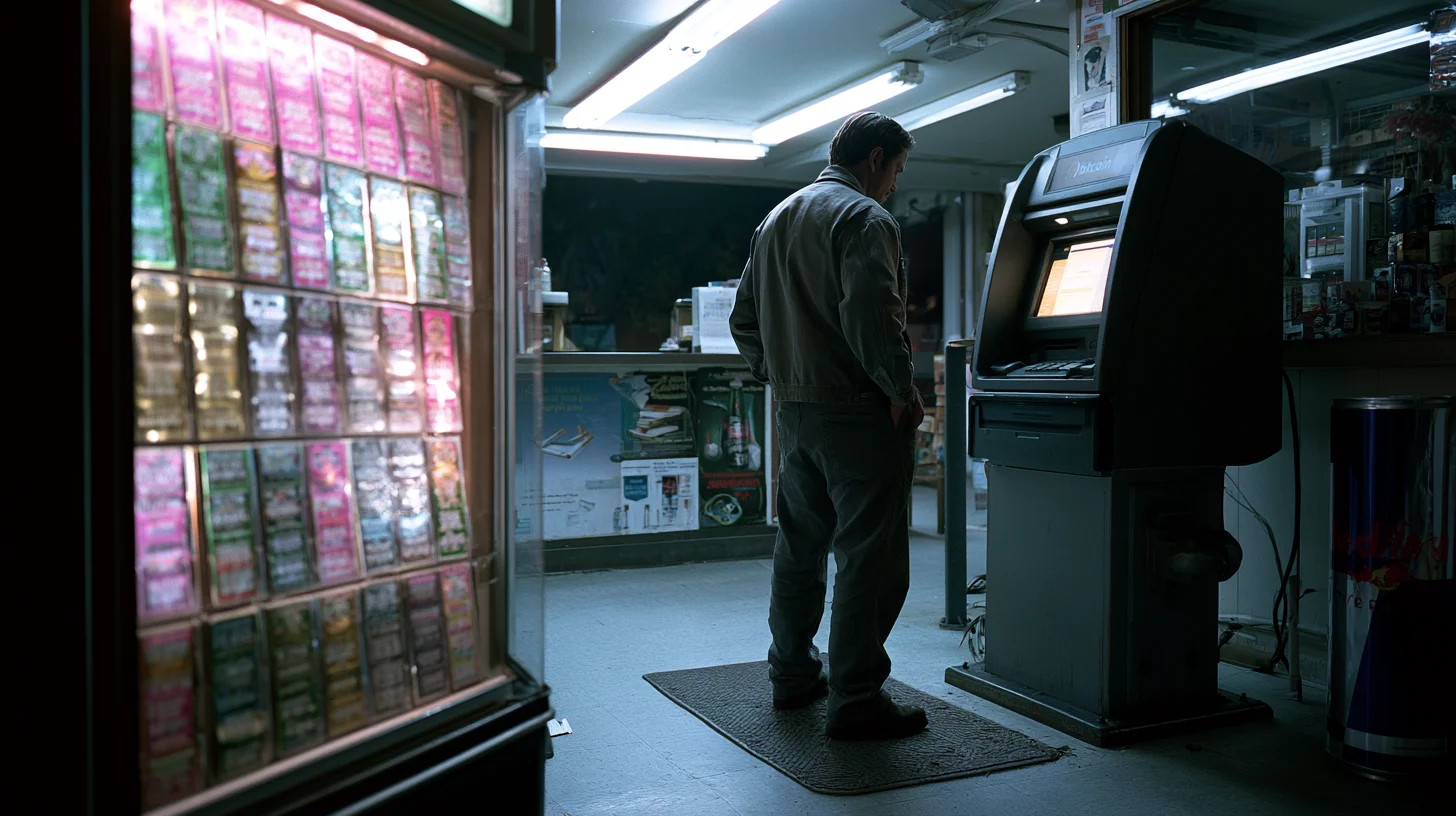
The Gas Station Savings Plan: How 21,000 Americans Turned Scratch-Off Money into $32 Million
Transaction data reveals 21,691 people who bought Bitcoin at ATMs for under $100 at a time accumulated 304 BTC now worth $32.6 million. Same gas station. Same $20 bills. Different machine. The lottery returns 50 cents on the dollar. The Bitcoin ATM returned 430%.
Read article -
 case study
AARP's Own Data Proves Bitcoin ATM Bans Are Wrong: The 82% Gift Card Lesson
AARP's April 2026 fraud research found 82% of Americans recognize gift card scams but only 19% recognize Bitcoin ATM scams. AARP is using this to argue for prohibition. The data actually proves the opposite: education works. Gift card recognition was near zero a decade ago — no ban was required. Here is why the same approach will work for cryptocurrency kiosks, with full citations to AARP, FBI, FTC, and FDIC sources.
Read article -
 case study
78 Days: How Long It Takes for Bitcoin to Erase the ATM Fee
We analyzed 426,226 transactions against daily Bitcoin prices. The median customer recovers the ATM fee in 78 days. 85% of all transactions have already broken even. Overall return: +42%, representing $232M in wealth created — at gas stations.
Read article -
 case study
What Blockchain Analytics Reveal About Bitcoin ATM Customers
505,251 transactions. 52,050 customers. Median purchase: $300. Elliptic blockchain analytics show 83% of customer wallets score as low risk across over a thousand screenings. Here is the data that regulators should see before voting to ban these machines.
Read article -
 case study
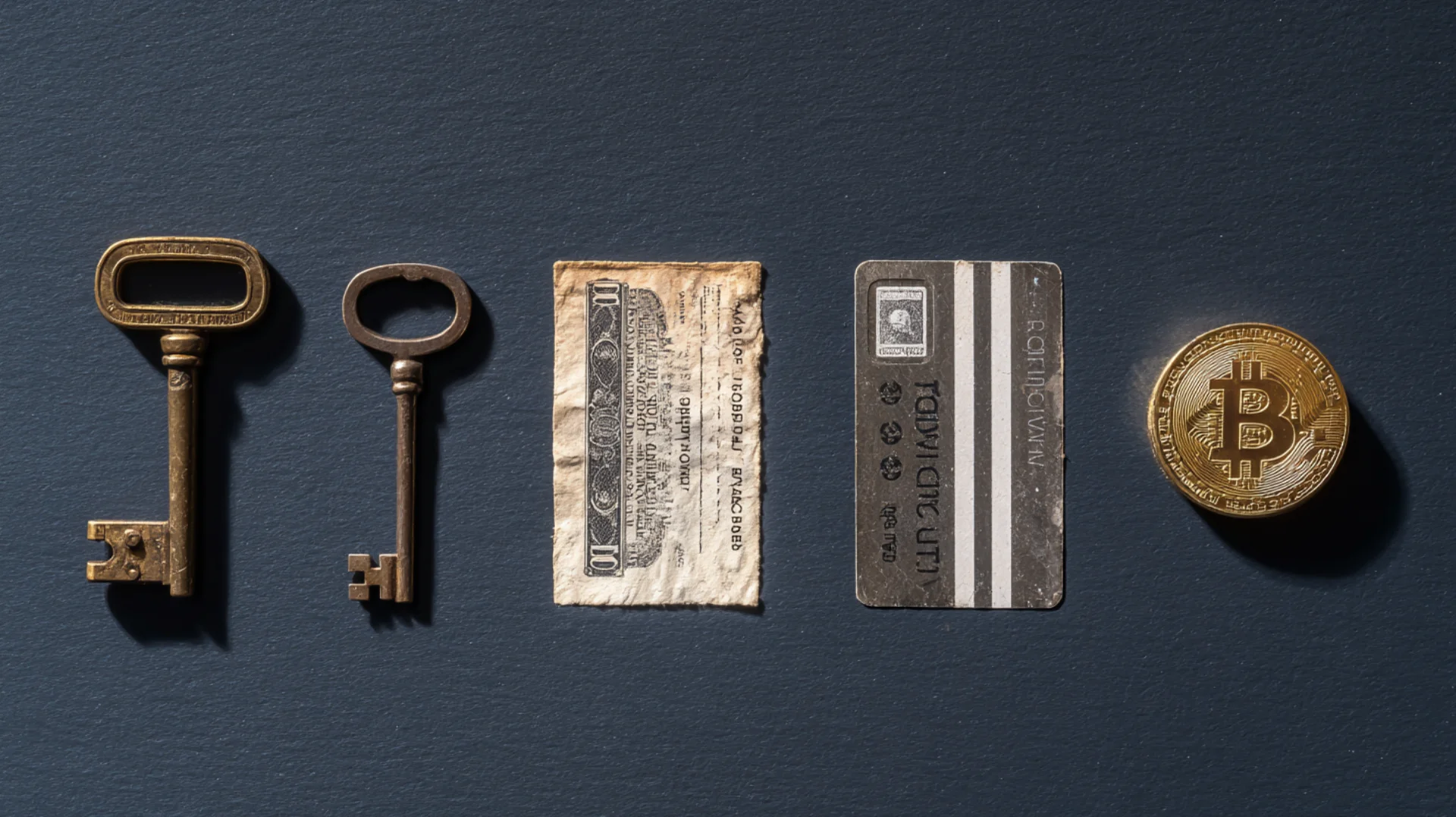
The Evolution of the ATM: From Cash Dispensers to Bitcoin Computation Terminals
The first ATM dispensed ten pounds from a wall in London in 1967. Sixty years later, Bitcoin ATMs are computation terminals connected to a decentralized global network — and the United States has 38,000 of them. Here is the full history, from Barclays to blockchain.
Read article -
 case study
Who Really Uses Bitcoin ATMs? The Communities the Headlines Miss
Federal Reserve data shows most Bitcoin ATM users are unbanked minorities and immigrants using the machines for remittances — not speculation. Here is the evidence-backed story that mainstream coverage consistently gets wrong.
Read article -
 intermediate
Bitcoin ATM Fees & Limits: What You Pay, Why It Costs That, and How to Get the Best Rate
The median Bitcoin ATM fee is 16% — but 84% of that goes straight to purchasing the Bitcoin you receive. Here is the full cost stack, the regulatory architecture behind the limits, and how fees compare to check-cashing, Western Union, and bank overdrafts.
Read article -
 case study
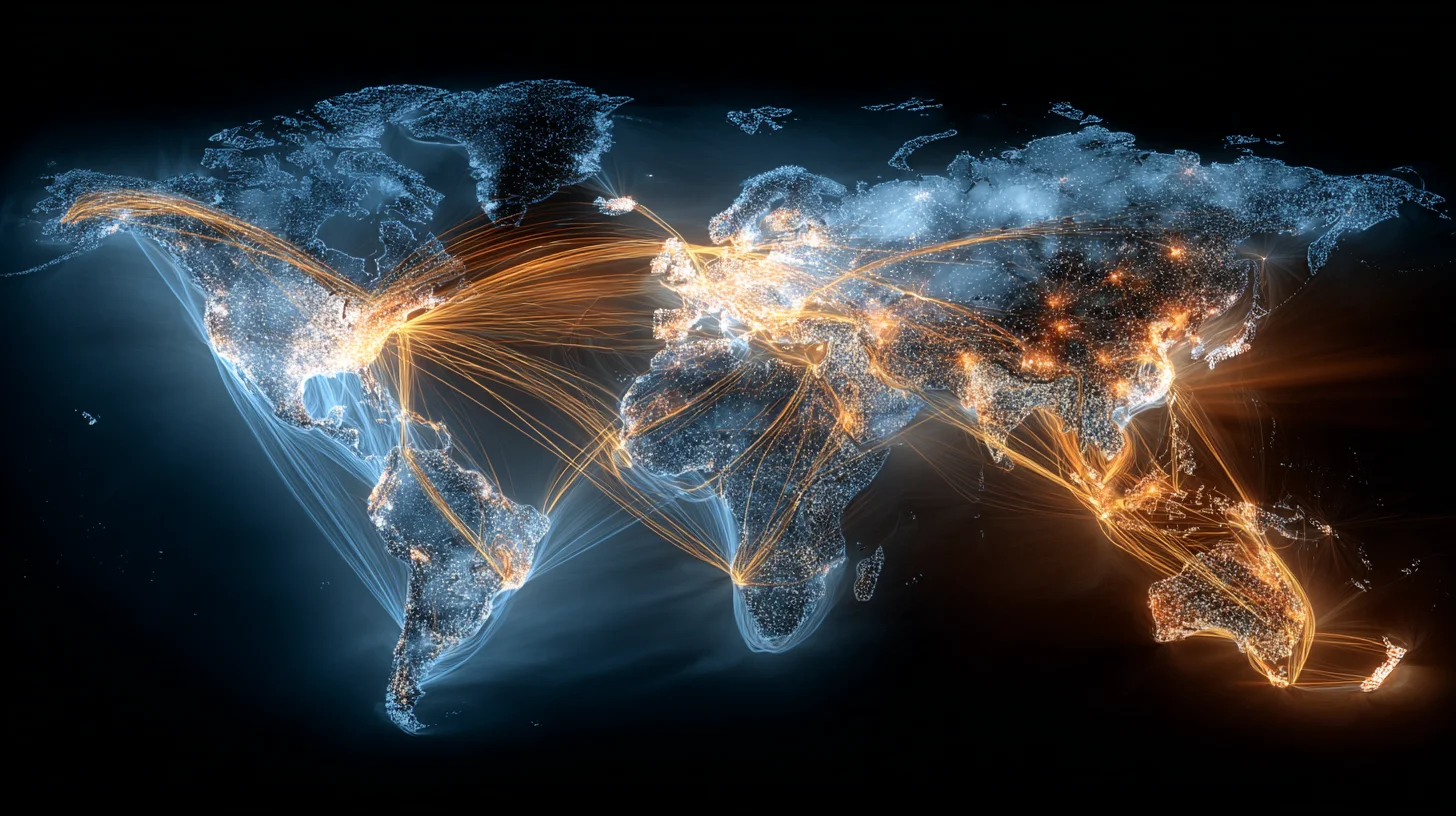
International Remittances with Bitcoin: Faster, Cheaper, Better
Use Bitcoin for cross-border payments: regulatory considerations and practical implementation.
Read article