
Bitcoin, money and monetary policy
Bitcoin's fixed supply, what makes money hard, and how bearer assets compare with money that can be reversed or inflated.
Bitcoin's supply is fixed by its code: new coins enter circulation on a schedule that halves roughly every four years and stops at 21 million. That rule is the opposite of how most modern money works, where central banks adjust the supply and payments can often be reversed by an intermediary. Whether that is a strength or a weakness is one of the oldest arguments about Bitcoin.
These articles look at what that difference means in practice: how Bitcoin's monetary policy works, why money that cannot be clawed back changes the debate about fraud and refunds, and how bitcoin compares with the bearer instruments people have used throughout history to hold value outside the banking system, from gold coins to bearer bonds.
4 articles on money and monetary policy
-
 case study
Hard Money Has No Refund: The Misunderstanding at the Heart of the Bitcoin ATM Debate
No one demands a coin dealer replace stolen gold, or lets police into a bank vault on a phone complaint. So why are Bitcoin ATM operators asked to "refund" irreversible transactions they did not cause and cannot reverse? A close look at hard money, fraud liability, and the law we already wrote.
Read article -
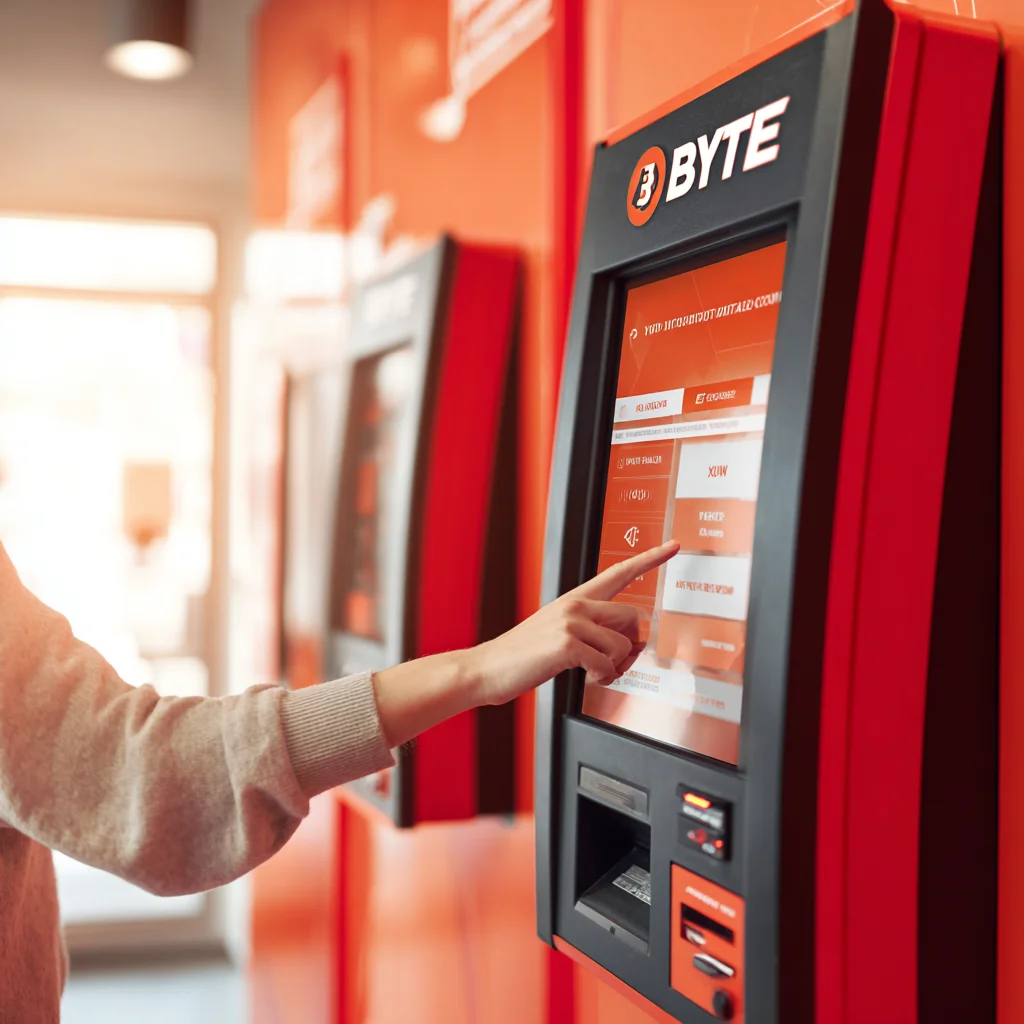 case study
78 Days: How Long It Takes for Bitcoin to Erase the ATM Fee
We analyzed 426,226 transactions against daily Bitcoin prices. The median customer recovers the ATM fee in 78 days. 85% of all transactions have already broken even. Overall return: +42%, representing $232M in wealth created — at gas stations.
Read article -
 intermediate
Bearer Instruments: From Gold Coins to Bitcoin ATMs
Explore the history and future of bearer instruments -- from ancient gold coins and bearer bonds to cash and Bitcoin -- and why the bearer property matters for financial freedom.
Read article -
 intermediate
Bitcoin Monetary Policy and Fixed Supply
Learn how Bitcoin's fixed supply and halving schedule work, and what they mean for long-term value, from Byte Federal's Bitcoin education team.
Read article