
Bitcoin security and self-custody
How to keep bitcoin safe: wallets, seed phrases, self-custody versus exchanges, multisig and planning for inheritance.
Owning bitcoin means controlling the keys that can spend it. Whoever holds those keys, whether that is you, an exchange or a custodian, decides what happens to the coins. That makes security less about technology and more about choices: where keys are stored, who else can reach them, and what happens if a device is lost, a company fails or the owner dies.
These guides explain hot and cold wallets, including hardware wallets, seed phrases, the trade-offs between keeping coins yourself and leaving them on a platform, multisig setups for families and businesses, what happened to customers when exchanges collapsed, how to pass bitcoin on to heirs, and the everyday habits that keep wallets and accounts out of reach of attackers.
17 articles on security and self-custody
-
 beginner
Check only the ends? That's what address poisoning counts on
Address poisoning plants a lookalike that matches the first and last characters of an address you use. How it and two other swaps work, and how to catch them.
Read article -
 beginner
Can bitcoin be traced? The FBI tracked down $2.3M in ransom
Every bitcoin payment sits on a public ledger. How the FBI tracked a $2.3M ransom, where a wallet gets a name, and what to do if a scammer took yours.
Read article -
 beginner
Crypto phishing: why the scam message knows your name and balance
Crypto phishing messages now carry your real name, address and balance, taken in leaks at Coinbase, Ledger and Gnosis Pay. Check any message in 3 steps.
Read article -
 beginner
Got a 'wrong number' text from a friendly stranger? Read this
A wrong-number text can be step one of a pig butchering scam. Americans reported $7.2 billion in crypto investment fraud losses to the FBI in 2025.
Read article -
 intermediate
The fine print that handed Celsius $4.2B of customers' crypto
What happens to your crypto if an exchange goes bankrupt, from the Celsius Earn ruling to FDIC rules, dollar payouts and the terms to check.
Read article -
 case study
Hard Money Has No Refund: The Misunderstanding at the Heart of the Bitcoin ATM Debate
No one demands a coin dealer replace stolen gold, or lets police into a bank vault on a phone complaint. So why are Bitcoin ATM operators asked to "refund" irreversible transactions they did not cause and cannot reverse? A close look at hard money, fraud liability, and the law we already wrote.
Read article -
 case study
The Gas Station Savings Plan: How 21,000 Americans Turned Scratch-Off Money into $32 Million
Transaction data reveals 21,691 people who bought Bitcoin at ATMs for under $100 at a time accumulated 304 BTC now worth $32.6 million. Same gas station. Same $20 bills. Different machine. The lottery returns 50 cents on the dollar. The Bitcoin ATM returned 430%.
Read article -
 case study
What ISO 27001 Certification Means for a Bitcoin ATM Operator
Byte Federal has achieved ISO 27001 certification — the international gold standard for information security. What the certification covers, why it is rare in the Bitcoin ATM industry, and what it means for customer data protection.
Read article -
 intermediate
Bearer Instruments: From Gold Coins to Bitcoin ATMs
Explore the history and future of bearer instruments -- from ancient gold coins and bearer bonds to cash and Bitcoin -- and why the bearer property matters for financial freedom.
Read article -
 beginner
Is Your Bitcoin ATM Safe? How Fraud Prevention Really Works
Learn how Bitcoin ATM scams actually work, what Byte Federal does to prevent fraud with a 5-layer defense system, and how to protect yourself from common scam tactics.
Read article -
 beginner
Avoiding Bitcoin Scams: Essential Guide to Protecting Your Cryptocurrency
Learn to recognize and avoid common Bitcoin scams including romance fraud, investment schemes, phishing, and pig butchering attacks. Essential security for beginners.
Read article -
 advanced
Bitcoin Estate Planning: Securing Your Digital Legacy
Comprehensive guide to Bitcoin inheritance, multisig solutions, and legal considerations.
Read article -
 advanced
Bitcoin Custody Solutions: From Personal to Institutional
Comprehensive guide to Bitcoin custody options: self-custody, collaborative custody, and institutional solutions.
Read article -
 advanced
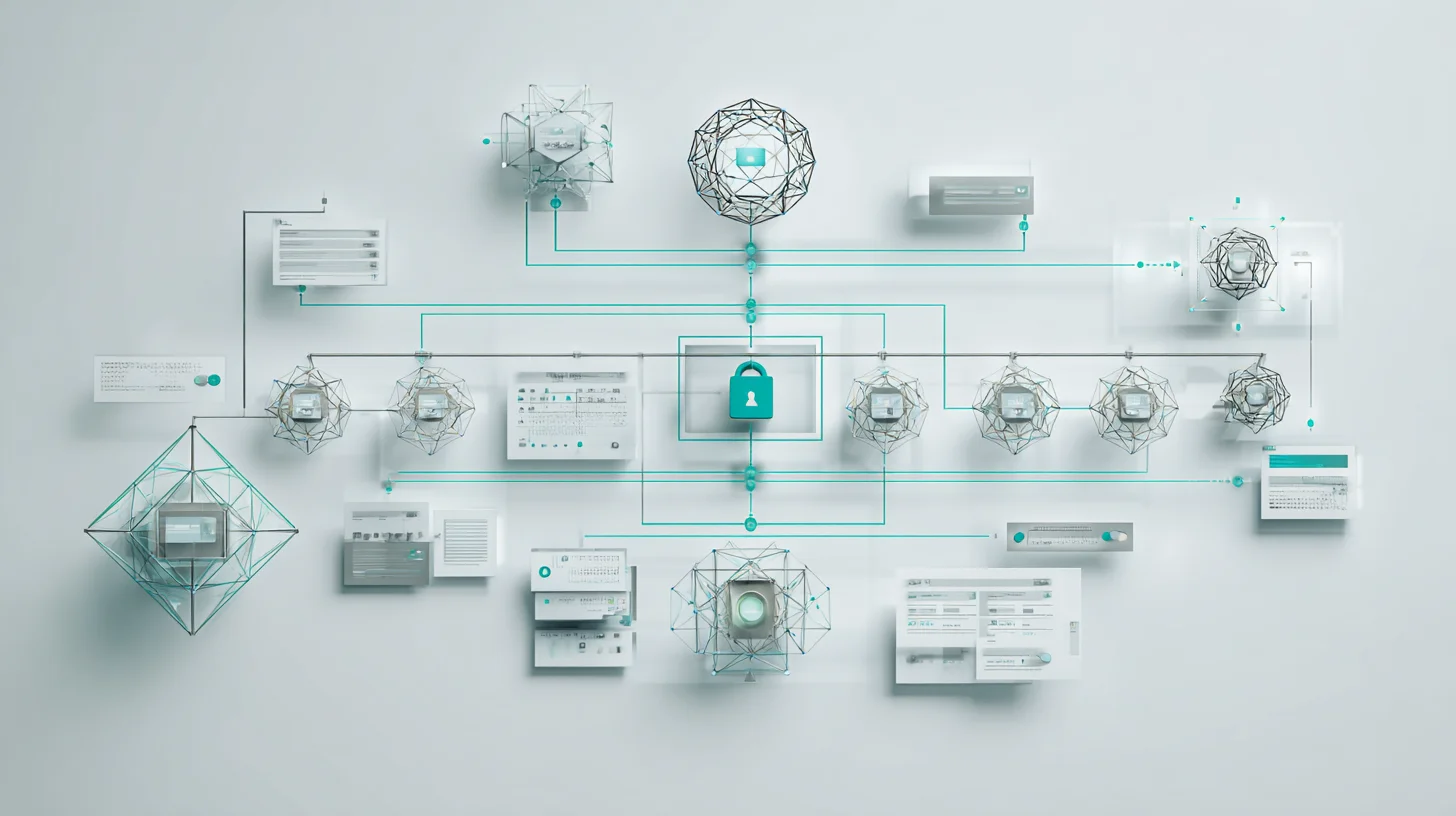
Multi-Signature Wallets: Enhanced Security Through Collaboration
Learn how multisig works, implement corporate Bitcoin security, and protect against single points of failure.
Read article -
 intermediate
Self-Custody vs Custodial Solutions: Making the Right Choice
Compare custody models, understand trade-offs, and learn when to use each approach.
Read article -
 beginner
Bitcoin Security Best Practices: Protect Your Digital Assets
Comprehensive guide to securing your Bitcoin: from basic hygiene to advanced operational security.
Read article -
 beginner
Bitcoin Wallets Explained: Hot vs Cold
Choose the right Bitcoin wallet with a practical hot-vs-cold breakdown from Byte Federal, operator of 1,350+ ATMs and self-custody tools.
Read article