
Bitcoin ATM guides
How Bitcoin ATMs work, what their fees pay for, why they ask for ID, how limits are set and how to use one safely.
A Bitcoin ATM turns cash into bitcoin sent to a wallet you control. It is one of the few ways to buy bitcoin without a bank account, which is why the machines sit in gas stations, convenience stores and grocery stores across the country. Using one takes a phone with a wallet, cash and, in most places, identity verification.
These guides cover the whole picture: how a purchase works step by step, what makes up the fee, why operators verify identity and set limits, how the machines fit into the long history of cash access, and how to recognize when someone is pressuring you to use one. If you have never used a machine before, start with the step-by-step guide, then read about fees and safety.
16 articles on bitcoin atms
-
 beginner
Can you send money through a Bitcoin ATM? Yes, with no undo
Can you send money through a Bitcoin ATM? Yes, but it arrives as bitcoin in the wallet you scan, and nobody can pull it back. One rule says when to stop.
Read article -
 beginner
Bitcoin ATM asking for your ID? Here's why, and who keeps it
Do bitcoin ATMs require ID? Yes. Federal rules make operators verify customers. See the $2,000, $3,000 and $10,000 triggers and who keeps your ID.
Read article -
 beginner
Bitcoin transaction stuck on pending? Your coins aren't lost
A bitcoin transaction pending for hours does not mean lost coins. Check it in a block explorer, see why fee rate sets the wait, and know when to bump the fee.
Read article -
 case study
Measuring Financial Inclusion: From Theory to Evidence
Using Bayesian Improved Surname Geocoding — the CFPB's own fair-lending method — we estimate the demographic composition of a national Bitcoin ATM customer base. The result: Black Americans, the largest unbanked population in the U.S., are represented at nearly twice their national share.
Read article -
 case study
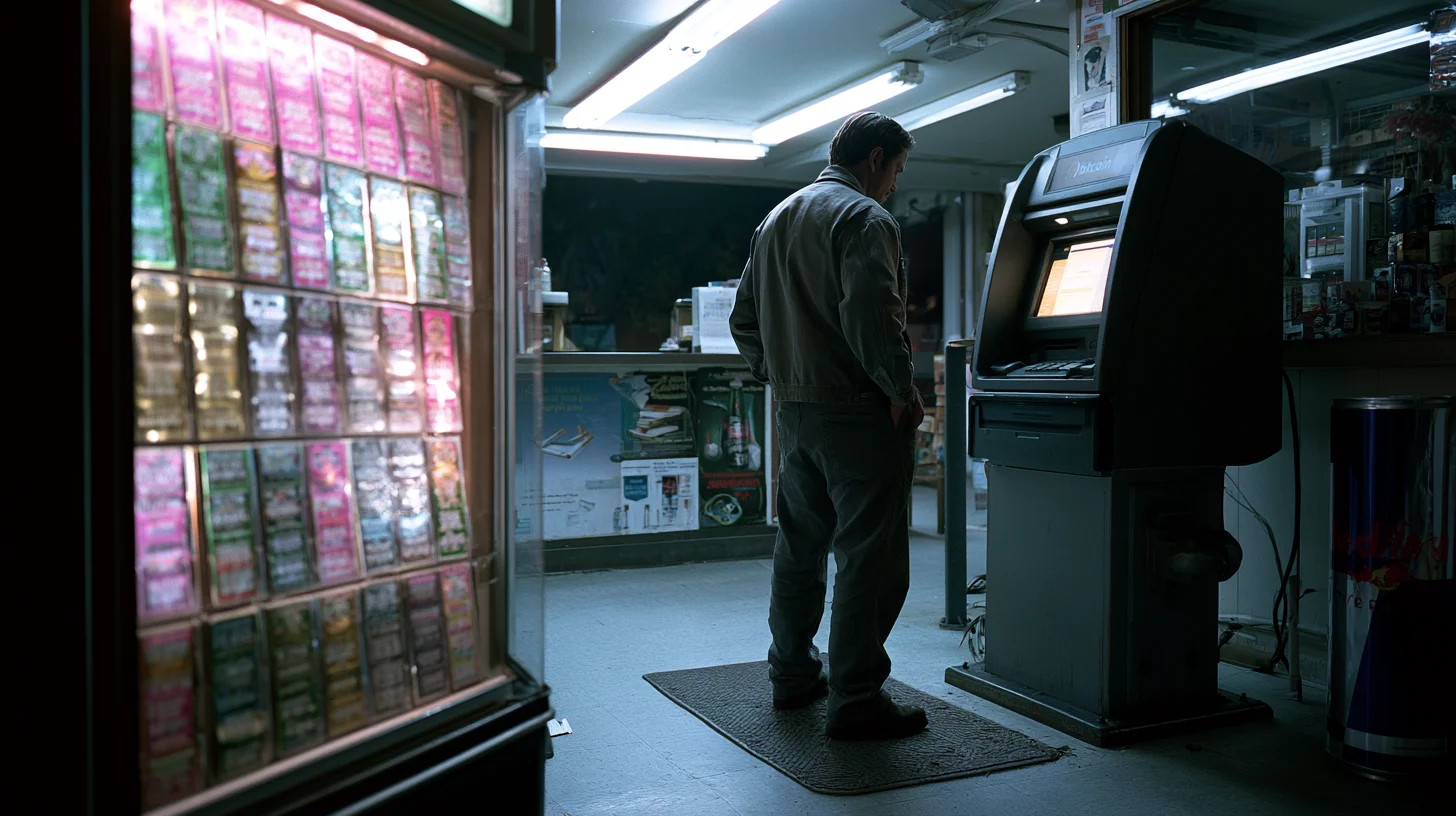
The Gas Station Savings Plan: How 21,000 Americans Turned Scratch-Off Money into $32 Million
Transaction data reveals 21,691 people who bought Bitcoin at ATMs for under $100 at a time accumulated 304 BTC now worth $32.6 million. Same gas station. Same $20 bills. Different machine. The lottery returns 50 cents on the dollar. The Bitcoin ATM returned 430%.
Read article -
 case study
AARP's Own Data Proves Bitcoin ATM Bans Are Wrong: The 82% Gift Card Lesson
AARP's April 2026 fraud research found 82% of Americans recognize gift card scams but only 19% recognize Bitcoin ATM scams. AARP is using this to argue for prohibition. The data actually proves the opposite: education works. Gift card recognition was near zero a decade ago — no ban was required. Here is why the same approach will work for cryptocurrency kiosks, with full citations to AARP, FBI, FTC, and FDIC sources.
Read article -
 case study
78 Days: How Long It Takes for Bitcoin to Erase the ATM Fee
We analyzed 426,226 transactions against daily Bitcoin prices. The median customer recovers the ATM fee in 78 days. 85% of all transactions have already broken even. Overall return: +42%, representing $232M in wealth created — at gas stations.
Read article -
 case study
What Blockchain Analytics Reveal About Bitcoin ATM Customers
505,251 transactions. 52,050 customers. Median purchase: $300. Elliptic blockchain analytics show 83% of customer wallets score as low risk across over a thousand screenings. Here is the data that regulators should see before voting to ban these machines.
Read article -
 case study
What ISO 27001 Certification Means for a Bitcoin ATM Operator
Byte Federal has achieved ISO 27001 certification — the international gold standard for information security. What the certification covers, why it is rare in the Bitcoin ATM industry, and what it means for customer data protection.
Read article -
 case study
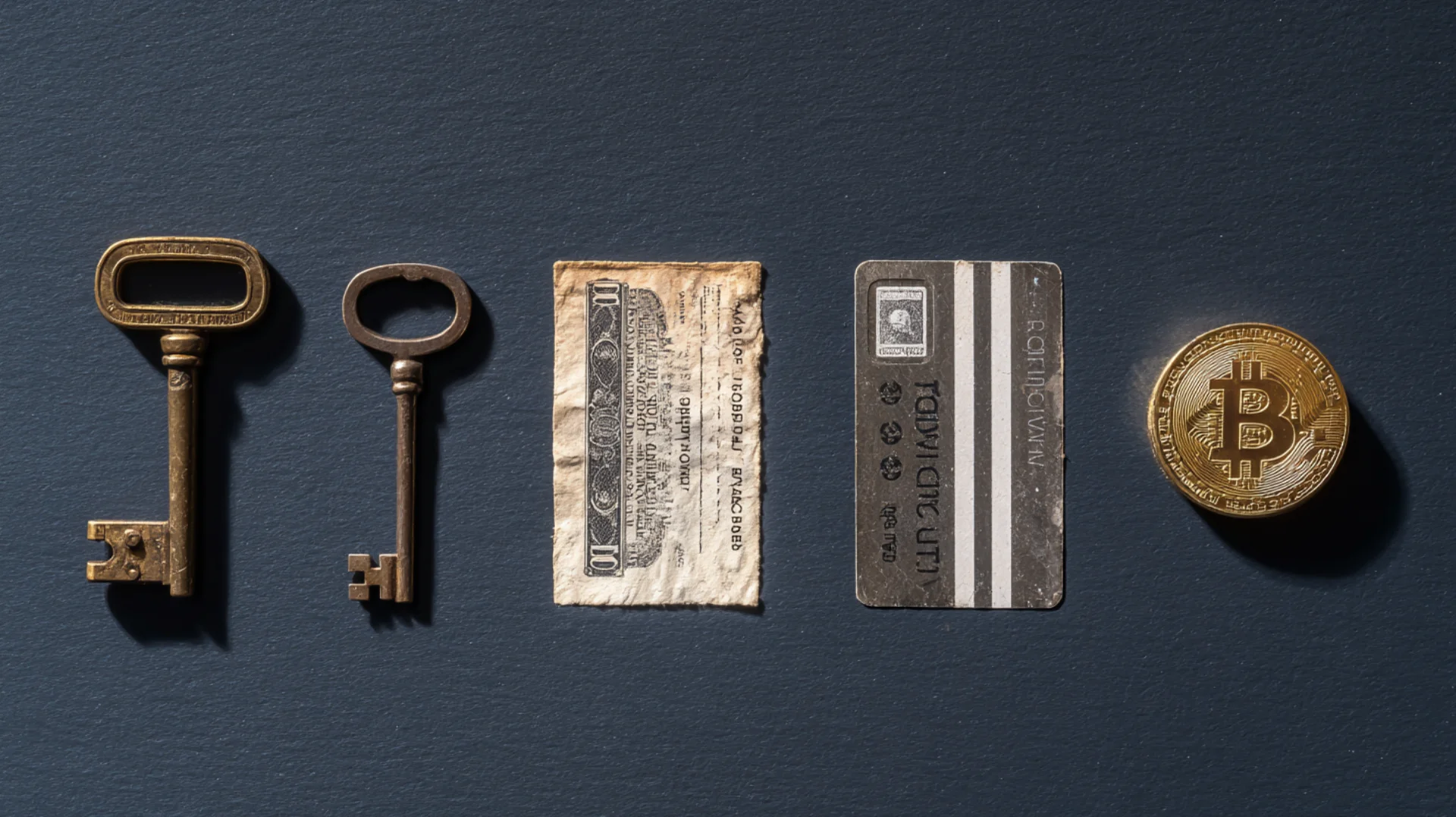
The Evolution of the ATM: From Cash Dispensers to Bitcoin Computation Terminals
The first ATM dispensed ten pounds from a wall in London in 1967. Sixty years later, Bitcoin ATMs are computation terminals connected to a decentralized global network — and the United States has 38,000 of them. Here is the full history, from Barclays to blockchain.
Read article -
 case study
Who Really Uses Bitcoin ATMs? The Communities the Headlines Miss
Federal Reserve data shows most Bitcoin ATM users are unbanked minorities and immigrants using the machines for remittances — not speculation. Here is the evidence-backed story that mainstream coverage consistently gets wrong.
Read article -
 intermediate
Bitcoin ATM Fees & Limits: What You Pay, Why It Costs That, and How to Get the Best Rate
The median Bitcoin ATM fee is 16% — but 84% of that goes straight to purchasing the Bitcoin you receive. Here is the full cost stack, the regulatory architecture behind the limits, and how fees compare to check-cashing, Western Union, and bank overdrafts.
Read article -
 intermediate
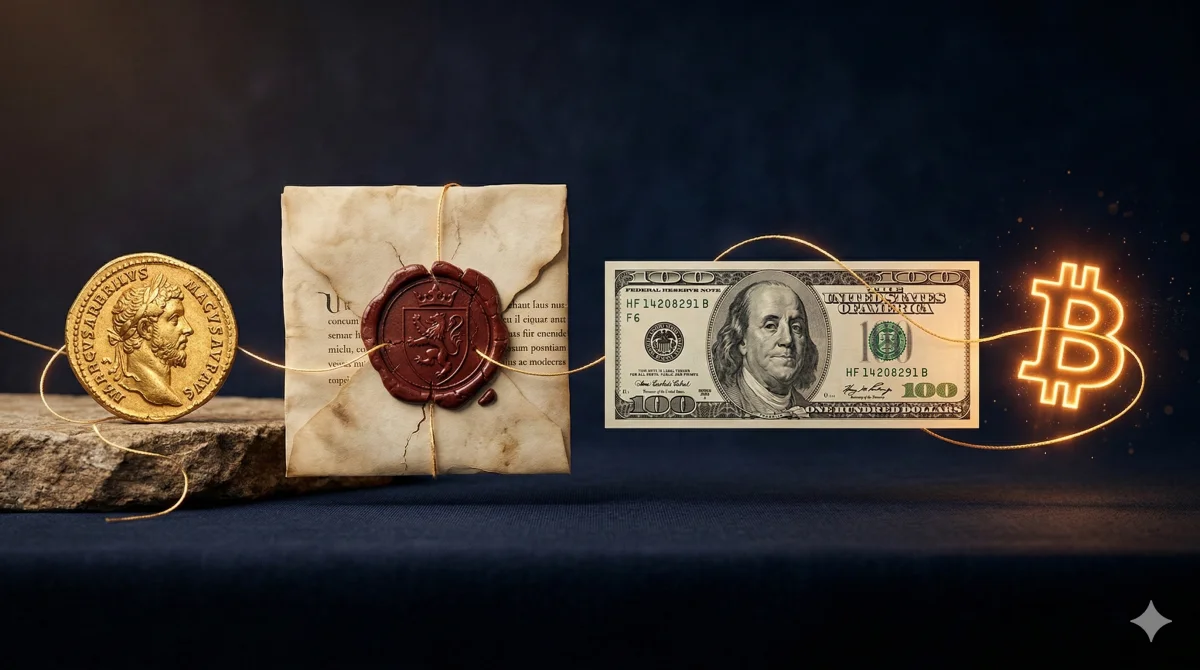
Bearer Instruments: From Gold Coins to Bitcoin ATMs
Explore the history and future of bearer instruments -- from ancient gold coins and bearer bonds to cash and Bitcoin -- and why the bearer property matters for financial freedom.
Read article -
 beginner
Is Your Bitcoin ATM Safe? How Fraud Prevention Really Works
Learn how Bitcoin ATM scams actually work, what Byte Federal does to prevent fraud with a 5-layer defense system, and how to protect yourself from common scam tactics.
Read article -
 beginner
How to Buy Your First Bitcoin: Complete Beginner's Guide
Step-by-step guide to purchasing your first Bitcoin using ByteWallet, Bitcoin ATMs, exchanges, and peer-to-peer platforms.
Read article - beginner
How to Use a Bitcoin ATM (2026 Guide)
Step-by-step guide to buying Bitcoin at ATMs, plus limits, fees, and safety tips from Byte Federal's nationwide 1,350+ ATM network.
Read article