
Bitcoin regulation and policy
How laws and regulators shape Bitcoin ATMs and crypto payments, from identity rules to fraud legislation in the US and Australia.
Bitcoin itself has no head office, but the businesses people use to buy, sell and hold it are regulated. Money transmission licenses, anti-money-laundering programs, identity requirements, transaction limits and new state laws on crypto kiosks all shape what a customer sees at the counter or on the screen. Rules differ from state to state and from country to country, and they change often.
These pieces follow that policy debate: what proposed bans and limits would and would not change, how fraud moves through the banking system, what other countries have tried, which security certifications operators hold, and the research behind the arguments on each side. They are written to explain the rules and the evidence, not to give legal advice.
17 articles on regulation and policy
-
 beginner
Can bitcoin be traced? The FBI tracked down $2.3M in ransom
Every bitcoin payment sits on a public ledger. How the FBI tracked a $2.3M ransom, where a wallet gets a name, and what to do if a scammer took yours.
Read article -
 beginner
Crypto phishing: why the scam message knows your name and balance
Crypto phishing messages now carry your real name, address and balance, taken in leaks at Coinbase, Ledger and Gnosis Pay. Check any message in 3 steps.
Read article -
 beginner
Bitcoin ATM asking for your ID? Here's why, and who keeps it
Do bitcoin ATMs require ID? Yes. Federal rules make operators verify customers. See the $2,000, $3,000 and $10,000 triggers and who keeps your ID.
Read article -
 intermediate
The fine print that handed Celsius $4.2B of customers' crypto
What happens to your crypto if an exchange goes bankrupt, from the Celsius Earn ruling to FDIC rules, dollar payouts and the terms to check.
Read article -
 case study
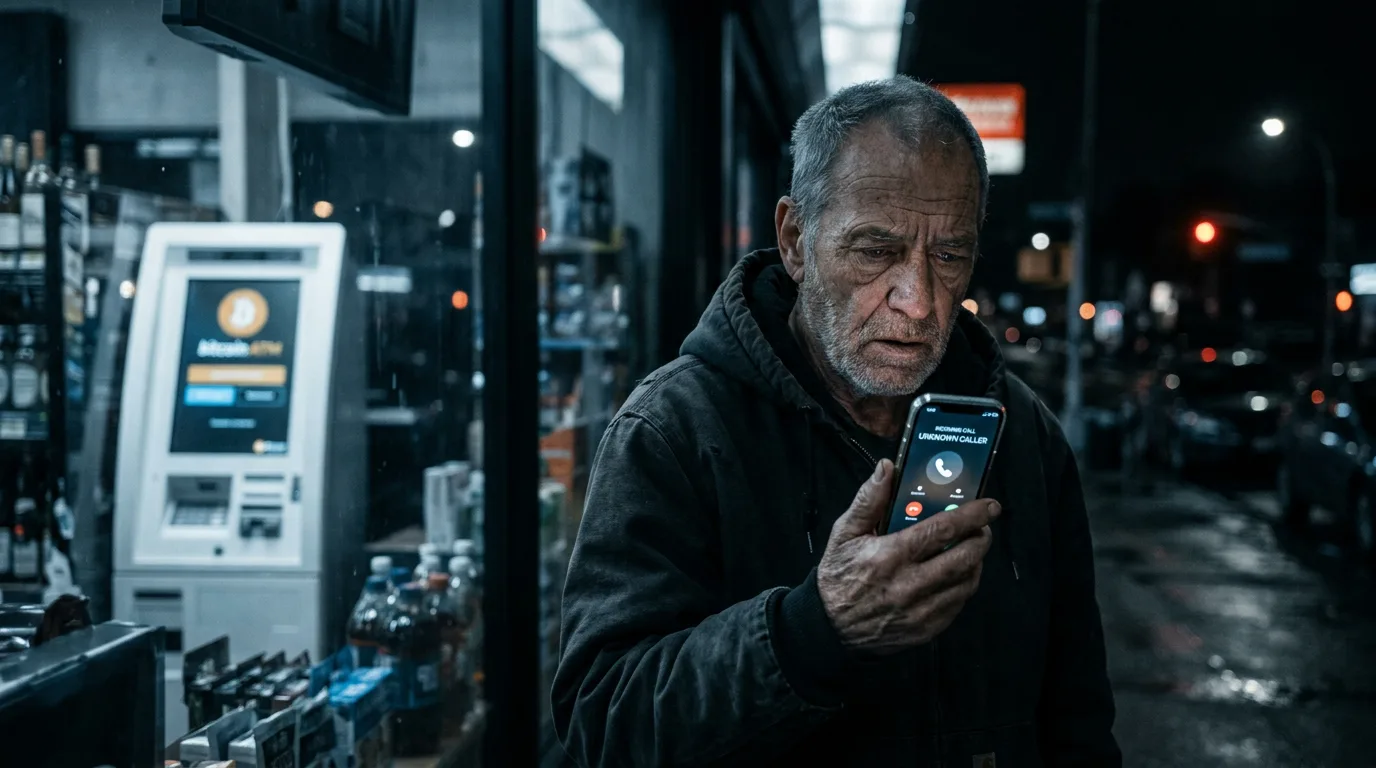
The Scam Doesn't Start at the Kiosk: Why Crypto-ATM Laws Keep Missing Where Fraud Begins
Wisconsin, Indiana, and a dozen other states are writing laws to stop crypto-ATM fraud -- almost all of them regulate the last ninety seconds of the crime and ignore the hour before it. The FTC says these scams start with a phone call. The kiosk is the finish line, not the starting gun. A look at where the fix actually lives.
Read article -
 case study
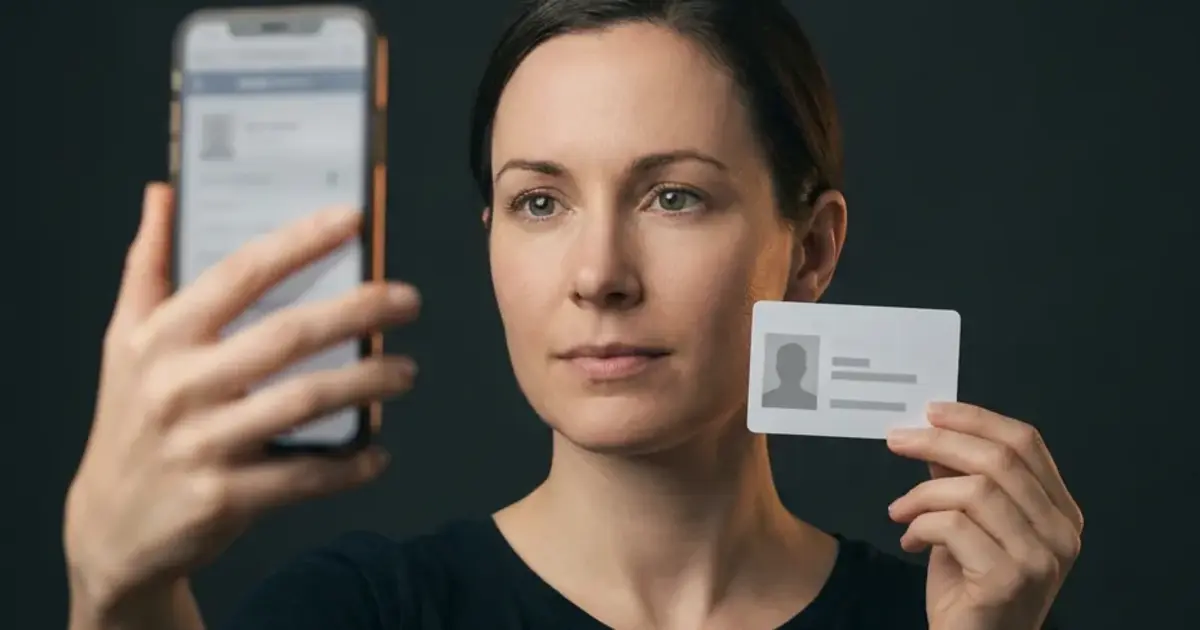
Nobody Ever Saw the Person: The One Thing Every Online Scam Has in Common
Investment, imposter, romance and tech-support scams cost Americans more than $12 billion in 2024, and every one of them depends on a single condition: the victim never confirmed that a live human was on the other side. A look at the check commerce used to run by default, and why the internet never replaced it.
Read article -
 case study
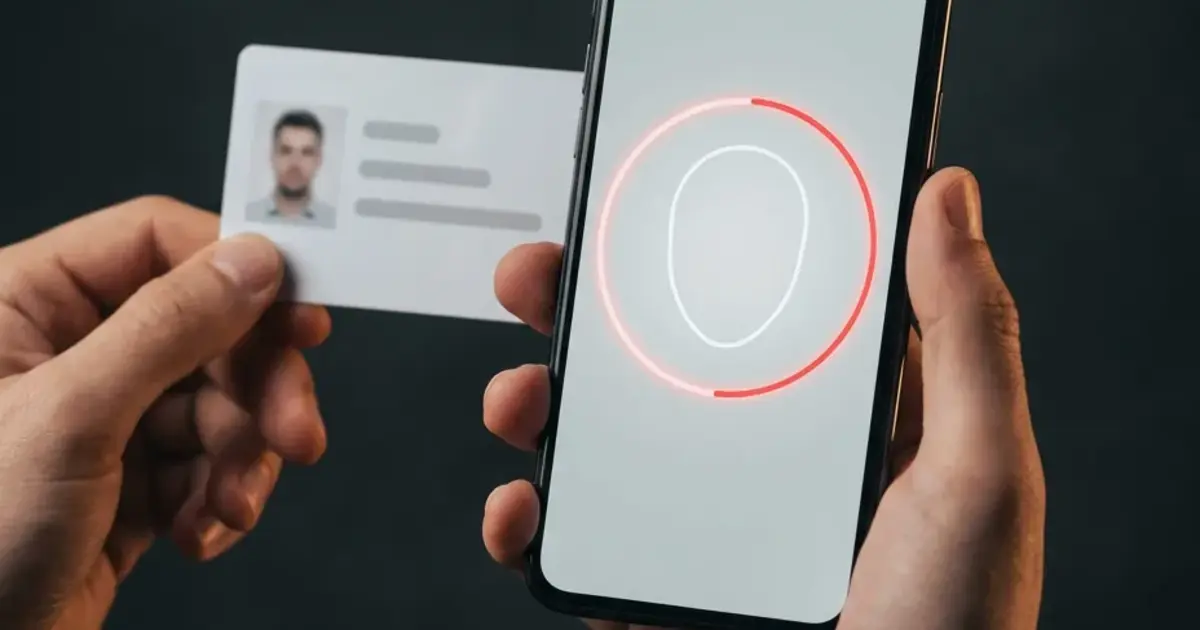
Verify and Forget: Why the Safest Biometric Database Is the One That Doesn't Exist
A leaked password can be changed; a leaked face cannot. The verification industry keeps face templates because an index is commercially valuable — and that index is what leaks, gets subpoenaed, outlives the company that promised to protect it, and finds uses nobody consented to. The case for processing a face and destroying it.
Read article -
 case study
Bitcoin ATM Scam Facts: Why Bans Hurt the People Who Need Them Most
The plain-language facts on Bitcoin ATM bans: they don't stop scams, the banks' own rails carry far more fraud, and bans cut the 24.6 million unbanked Americans — disproportionately Black, Hispanic, and Native families — off from one of the few ways they have to save. Stop the scam at the phone, not the people.
Read article -
 case study
Following the Money: America's 2024–2025 Bank Fraud Report
A sourced look at where fraud losses in America actually go. FTC, FBI, CFPB, and Federal Reserve data show the money moves through the banks' own rails — wires, Zelle, checks, and cards — far more than through any newer channel. To stop a scam, follow the money to its source.
Read article -
 case study
Hard Money Has No Refund: The Misunderstanding at the Heart of the Bitcoin ATM Debate
No one demands a coin dealer replace stolen gold, or lets police into a bank vault on a phone complaint. So why are Bitcoin ATM operators asked to "refund" irreversible transactions they did not cause and cannot reverse? A close look at hard money, fraud liability, and the law we already wrote.
Read article -
 case study
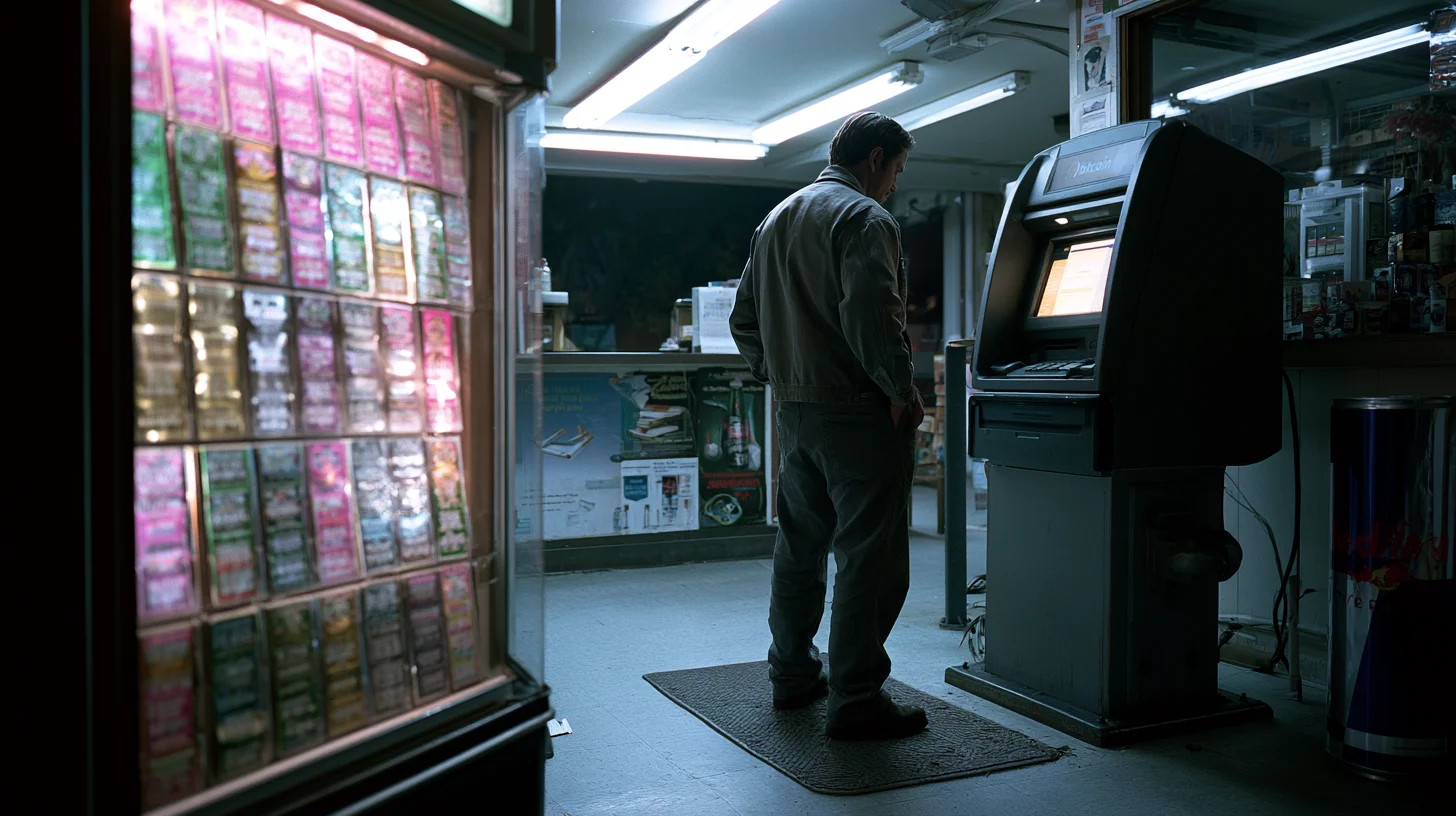
The Gas Station Savings Plan: How 21,000 Americans Turned Scratch-Off Money into $32 Million
Transaction data reveals 21,691 people who bought Bitcoin at ATMs for under $100 at a time accumulated 304 BTC now worth $32.6 million. Same gas station. Same $20 bills. Different machine. The lottery returns 50 cents on the dollar. The Bitcoin ATM returned 430%.
Read article -
 case study
Australia's $50 Million Precedent: Targeting Scams Where They Start!
Australia just legislated $50 million fines for banks, telcos, and social media platforms that fail to stop scams. It is a landmark shift toward "whole-of-ecosystem" accountability that proves why targeting individual financial tools like Bitcoin ATMs is a failed strategy.
Read article -
 case study
AARP's Own Data Proves Bitcoin ATM Bans Are Wrong: The 82% Gift Card Lesson
AARP's April 2026 fraud research found 82% of Americans recognize gift card scams but only 19% recognize Bitcoin ATM scams. AARP is using this to argue for prohibition. The data actually proves the opposite: education works. Gift card recognition was near zero a decade ago — no ban was required. Here is why the same approach will work for cryptocurrency kiosks, with full citations to AARP, FBI, FTC, and FDIC sources.
Read article -
 case study
What Blockchain Analytics Reveal About Bitcoin ATM Customers
505,251 transactions. 52,050 customers. Median purchase: $300. Elliptic blockchain analytics show 83% of customer wallets score as low risk across over a thousand screenings. Here is the data that regulators should see before voting to ban these machines.
Read article -
 case study
What ISO 27001 Certification Means for a Bitcoin ATM Operator
Byte Federal has achieved ISO 27001 certification — the international gold standard for information security. What the certification covers, why it is rare in the Bitcoin ATM industry, and what it means for customer data protection.
Read article -
 intermediate
Bitcoin ATM Fees & Limits: What You Pay, Why It Costs That, and How to Get the Best Rate
The median Bitcoin ATM fee is 16% — but 84% of that goes straight to purchasing the Bitcoin you receive. Here is the full cost stack, the regulatory architecture behind the limits, and how fees compare to check-cashing, Western Union, and bank overdrafts.
Read article -
 advanced
Bitcoin Estate Planning: Securing Your Digital Legacy
Comprehensive guide to Bitcoin inheritance, multisig solutions, and legal considerations.
Read article